
Our Blog

How to Make Brushing Fun

June 17th, 2020

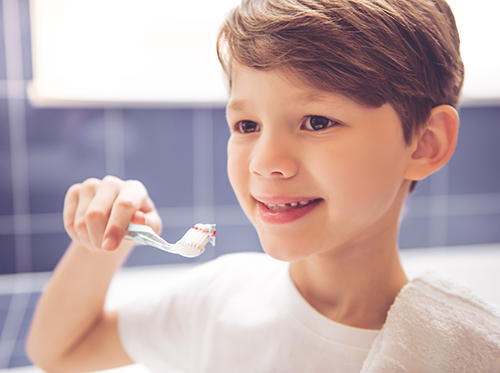
Let’s call it the cranky phase. Let’s call it the “Mom, I don’t want to” stage. When kids are little, getting them to brush can be a challenge. They bite the toothbrush and eat the toothpaste. They make faces in the bathroom mirror, brush for two seconds, and run away. When it’s time to brush, some kids even resort to kicking and screaming, which makes the bedtime chore a lot like, well, pulling teeth.

As a parent, you know the importance of good oral hygiene, so when the dreaded “brushing hour” arrives, if you want to prevent your child from turning into an angry pumpkin, you better have a few tricks up your sleeve to make brushing fun.

Game time

Kids love games, so it’s time to get creative and turn tooth brushing into game time. Whether you’re playing a hide and seek, peek-a-boo game with your child as he or she brushes, or singing the ABC’s as your child brushes for two minutes, David Jones and our team at Small Smiles LLC recommend turning the process into play. Games are based on a reward system, right? If your child does a good job, put a sticker on the calendar. Tell your son or daughter that five stickers will earn a treat at the end of the week.

Fun accessories

A toothbrush that lights up and blinks when you turn it on is more fun than a traditional toothbrush from the dentist’s office. The same is true of a toothbrush that’s shaped like your child’s favorite animal or features a cartoon character. A fun accessory like a Smurfs or Angry Birds toothbrush might make all the difference. A timer is another fun accessory. Give your child the special responsibility of setting it for two minutes before brushing.

The Great Toothpaste Experiment

Kids can be notoriously picky eaters, so it stands to reason that they would be picky about their toothpaste flavors too. Little Johnny might like strawberry, whereas Suzie prefers mango. Spend a night experimenting with different flavors (yes, it’s another game). Say something like, “It’s just like sampling different flavors of ice cream, right kids?”

Eventually, your child will develop the healthy habit of brushing on a regular basis, and think nothing of the time it takes to clean his or her teeth. Just remember to make it fun, and it can be a great experience for you both!

To learn more about making brushing fun for your little one, or to schedule an appointment with David Jones, please give us a call at our convenient Naperville, Illinois office!

How much calcium does my child need?

June 10th, 2020

When you were a kid, your parents may have told you to drink milk to build strong bones and grow tall and strong. Now that you have children of your own, you may hear yourself parroting those instructions you received years ago. Getting enough dairy is essential for young children whose teeth are growing. A child who consumes the recommended daily serving of dairy will develop healthy, strong teeth for the rest of his or her life.

So, which foods are the best in terms of acquiring the right amount of calcium? Milk and other dairy products are excellent sources of calcium. Milk also contains vitamin D, phosphorus, magnesium, and proteins. Magnesium promotes calcium deposits in your enamel, while phosphorus forms a small but important barrier against acidic foods that cause cavities. Vitamin D and protein are used by a child’s body to build bone tissue and maintain dental health.

According to a recent study, the majority of Americans, including children, do not receive enough calcium. In fact, according to the Academy of General Dentistry, only one in five children meets even the minimum standards for calcium consumption. The U.S. Department of Agriculture recommends that children under the age of eight should receive two and a half cups of dairy per day. Children older than eight need three full cups, the same as adult men and women. In addition to milk, eating yogurt is a great way your child can increase his or her dairy consumption. Drinking sugary beverages in place of milk causes cavities and tooth decay.

If your child does not get enough dairy consumption, they run the risk of improper tooth development and other dental health problems. David Jones and our team at Small Smiles LLC encourage you to monitor your child’s dairy consumption to ensure he or she grows healthy teeth to last a lifetime.

Questions? Give us a call at our Naperville, Illinois office!

Tips to Help You Beat the Heat This Summer

June 3rd, 2020

The dog days of summer are upon us, and with the temperatures soaring, our team at Small Smiles LLC wants you to be extra careful about sun safety when you’re out and about. Check out this incredibly helpful article on the Ten Summer Safety Tips for Kids, courtesy of Discovery.

David Jones and our team also encourage you to always have a bottle of water handy when heading out into the sun.

We hope you’re having a great summer! Let us know what you're up to below or on our Facebook page!

What is an Impacted Tooth?

May 27th, 2020

You may have heard this term the first time you or a friend got your wisdom teeth. That makes sense, as wisdom teeth are the teeth most often impacted in teenagers and young adults. But other permanent teeth can be impacted as well. What exactly do we mean by “impacted teeth,” and what can we do to treat them?

The term “impacted” means that somehow a tooth has been blocked from erupting properly. A tooth may be completely blocked by another tooth, erupt in the wrong space, or even come in from the wrong direction. Depending on the teeth involved, there are several different options for treatment.

From Baby Teeth to Permanent Teeth

Normally, when children lose a baby tooth, a permanent tooth is right there, ready to take its place. But teeth don’t always behave according to plan. Occasionally, that baby tooth just won’t budge, and the permanent tooth starts to erupt behind it. When this happens, a simple baby tooth extraction will often let the permanent tooth move into its proper position on schedule.

A more complicated situation develops when upper teeth are impacted because there isn’t enough space in the mouth for them. In this case, a device called a palatal expander might be used to gradually widen the upper jaw to allow the permanent teeth to erupt without crowding.

In other rare cases, a tooth (often the canine) fails to erupt and may require oral surgery to uncover it, followed by orthodontic treatment to guide it into position.

Impacted teeth can result from other causes as well, and every impacted tooth should be treated as quickly as possible. Left untreated, the teeth can fail to erupt at all or erupt in the wrong place, crowd other permanent teeth, damage the roots of the teeth near them, and lead to difficulties eating and dental pain.

Wisdom teeth

Wisdom teeth are often a problem because there is simply not enough room in the jaw for them.

Wisdom teeth that are completely impacted (still in the jawbone) can sometimes be left alone if they aren’t causing other problems. But if impacted wisdom teeth develop cysts, affect the teeth around them, or lead to other dental complications, they should be extracted.

Partially erupted teeth, those that have begun to emerge through the gums but don’t erupt fully, can be the source of different gum and tooth problems. Because the gum tissue overlaps the tooth, food particles and bacteria can become trapped, leading to rapid tooth decay and even infection. In this case, extraction is probably the best option.

Be Proactive

The term “impacted” actually comes from the Latin root meaning “pushed against.” But teeth that don’t erupt at the right time, in the right place, can have a different kind of impact on dental health and appearance. And the earlier we can catch these problems, the easier it is to treat them.

Regular exams and X-rays with David Jones at our Naperville, Illinois office will show the progress of the teeth even before they erupt, and if there will be the space for them to fit in the mouth properly. We may recommend a visit to the orthodontist by the age of seven to see if there are any signs of potential orthodontic problems.

Intervention at an early stage can prevent potential problems from becoming major ones. That is why it’s so important to be proactive when teeth are erupting in children and young adults. After all, a healthy, confident smile makes a real impact!